Kartini.

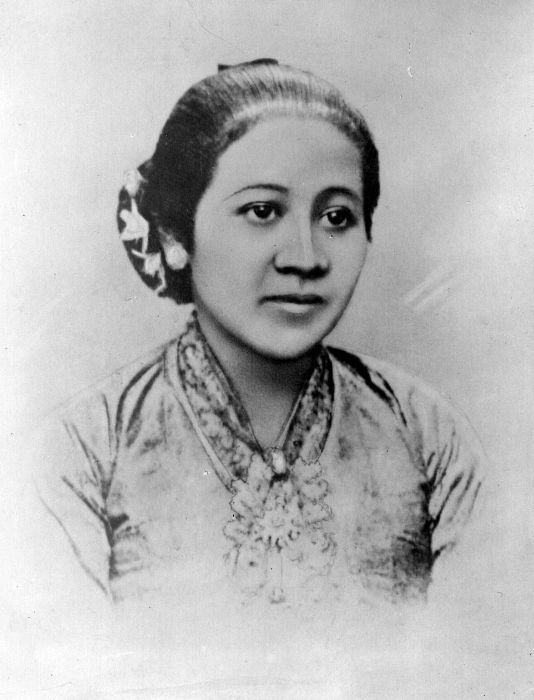
On 21st of April, Indonesia commemorates the birthday of Raden Ajeng Kartini, a national heroine who fought for women’s rights during the late 19th century.

I remember studying history in elementary school and having to memorise her birthday and her contribution to the fight for women’s right to gain a freedom to study and develop themselves.

I have always been so proud of having her as our national hero, since we are both of Javanese origins, and I see a lot of relevance between her struggle on women’s rights and what were happening surrounding me.

My mum was one of the unlucky ones in her time who didn’t get to continue her study after elementary school. At that time, her parents thought , girls didn’t need to study too much as they were expected to get married eventually and have husbands who will provide for them.

Now that my mum has children of her own, she always encourages us to learn and study as much as we can. Every school year break (we didn’t have super long summer holidays like most of western countries, instead, we got about 1 month break from school around June-July, where the academic year changes, and students get to move from their previous grade to the next one) my mum would make us take short courses, such as Intensive English courses, Quran reading courses, traditional dancing, organ lessons… I even ended up in a modelling course once! (I think my mum ran out of ideas on short courses to take at that time)

Yes, my mum is my favourite hero!

Yet, I have to admit, I have never seen any other country that is more “feminist” than Iceland. A country that holds the status of “first country with a female president“, and whose current Prime Minister is a woman too. So inspiring.

So, with Kartini’s day coming up tomorrow, I feel really proud to be a woman. Happy Kartini’s Day everyone!
A place to live.

Recent development on Indonesian immigration law enforced towards foreign spouses got me thinking, about a place to call home.

After having lived in Iceland for more than 2.5 years, undoubtedly I consider the country as my home (well, my second home after Jakarta, Indonesia). One of the many considerations on why my husband and I decided to live here was, “it makes more sense to do so.”

Immigration laws in Iceland is more lenient towards the spouses of Icelanders compared to Indonesian’s. I was granted temporary residency once I arrived in the country, which needs to be renewed every year for the first three years of my stay. Afterwards, I can apply for permanent residency which only needs to renewed every five years.

The residential permit allows me to work for full time, and entitles me to full health benefits. If I have any working experiences in Iceland, should I ever get unemployed in the future, I will be entitled to unemployment benefits.

The immigration law in Indonesia is pale beyond comparison with Iceland’s. At least, it was like that, until now. The new regulations passed by the Indonesian House of Representatives show how the immigration laws are constantly being reviewed and developed in order to cater the needs of Indonesian people and its residents. Though it’s still a long way for Indonesia to be able to come to the same point as Iceland, but at least now there is hope towards that direction.

I have never really given a good thought about where I would like to live the rest of my life. Because I always think it’s still way to early to pick a place to grow old in. But as our little family is getting another member, I can’t help but thinking where do I want to raise our child.

Despite being madly in love with Iceland, there is always a part of me that wants to share bits of my childhood and my first home to our children. I want them to know and experience the amazing place where I grew up, the beautiful people, the rich culture, the unbearable hot and humid weather, and all those lovely memories that cannot be obtained just by few holiday trips every year to Indonesia.

But on the other hand, raising a child in Iceland is so appealing, where it’s so safe that parents would normally leave their babies in their stroller outside shops or coffee-houses while they’re running their errands, where I could leave my car unlocked while parked anywhere, where I don’t fear for my life when walking or driving in the middle of the night (I mean, ever heard of Kapak Merah in Jakarta? /shudder).

There are only few weeks to go until the new little member of our family comes into our life, and I still have no idea where I want to raise our child.

Street food vendors.

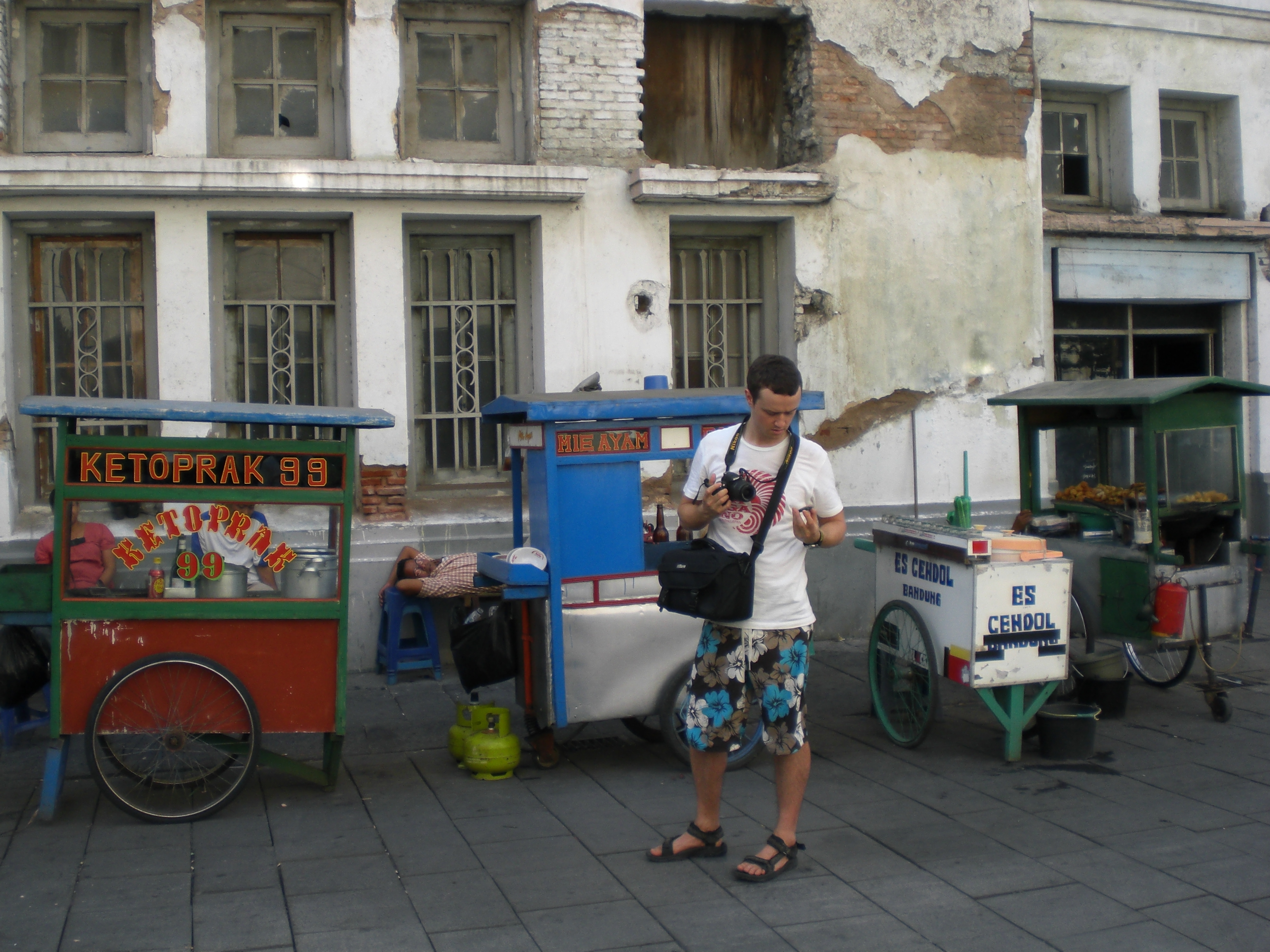
Oh how I miss them! And I’m not talking about the regular hot dog stand, or hamburger stand, or even falafel stand, though we do have them as well, but I’m talking about hundreds or more types of food that are being sold in every corner of the city of Jakarta around the clock! (yes,  you read right, most of these street food vendors adopt similar business operating time as 7-Eleven)

Chicken satay, noodles, dim sums, fried rice, omelet, soups, traditional food, international food, you name it, they will have it! On top of that, some of these vendors even travel around residential areas, so if you feel a bit peckish in the middle of the night, all you need to do is listen… and wait for that distinctive sound of wood knocking that most of these vendors use to advertise their products and services.

Once you decide which food vendor you opt for your meal, you can give your order straight away to the chef/cook/cashier/cart-pusher (the business is a one-man-show, mind you), and wait while your food is being prepared and cooked. When it’s ready, be prepared to taste the flavour of home-made-like food, freshly made from the (mobile) kitchen of the street vendor.

Knitting.

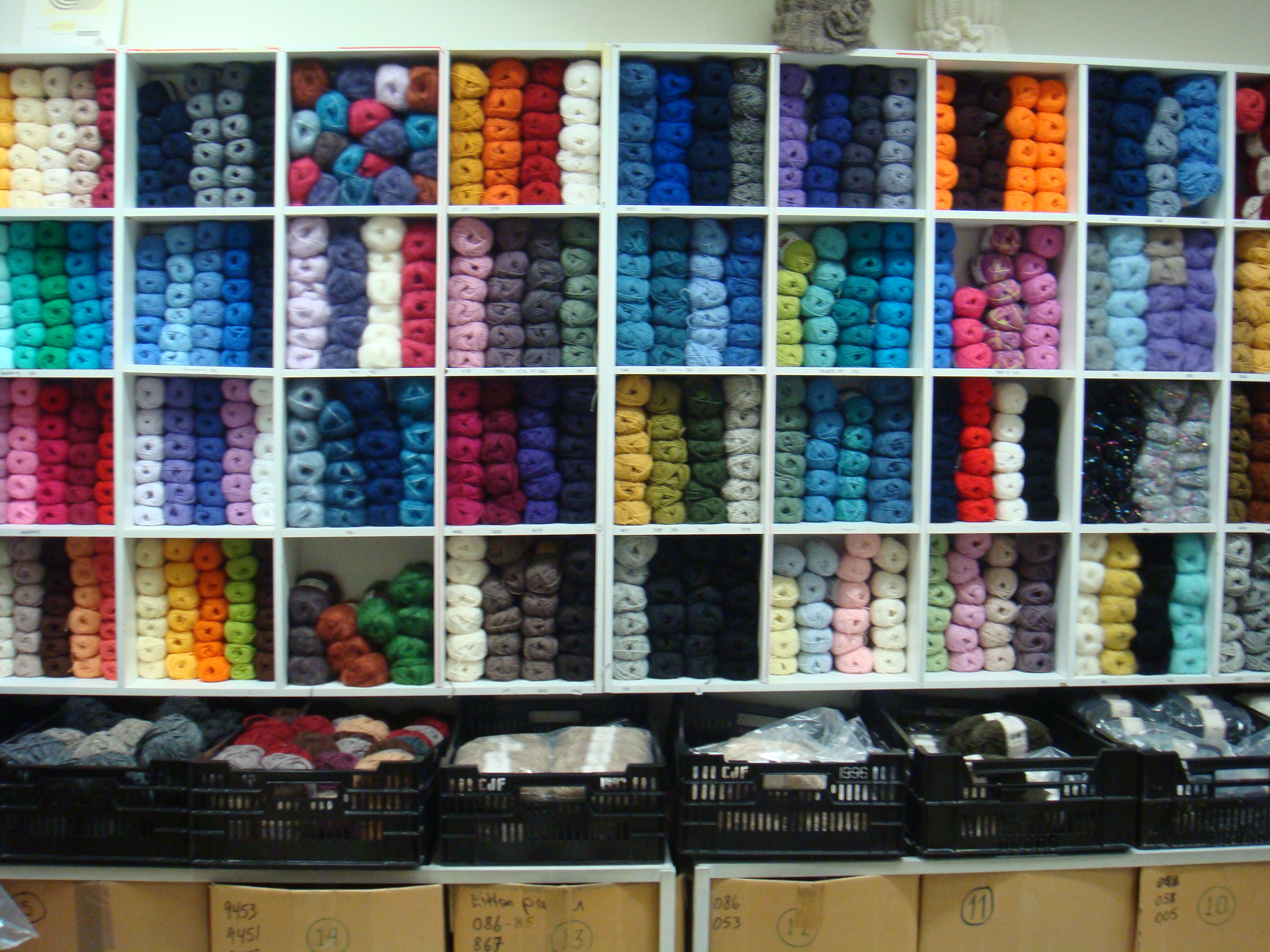
As long as I can remember, I never picture myself to be a person who knits! My mum is a seamstress, and she has been sewing pretty much everything fabric-made at our parents’ house. Even at my own place now in Iceland, I still use bedsheets and bedspreads made by her. But, while growing up, no matter how hard my mum tried to convert me into sewing, it never happen. So imagine how shocked my mum was when I told her I have been knitting since I came to Iceland!

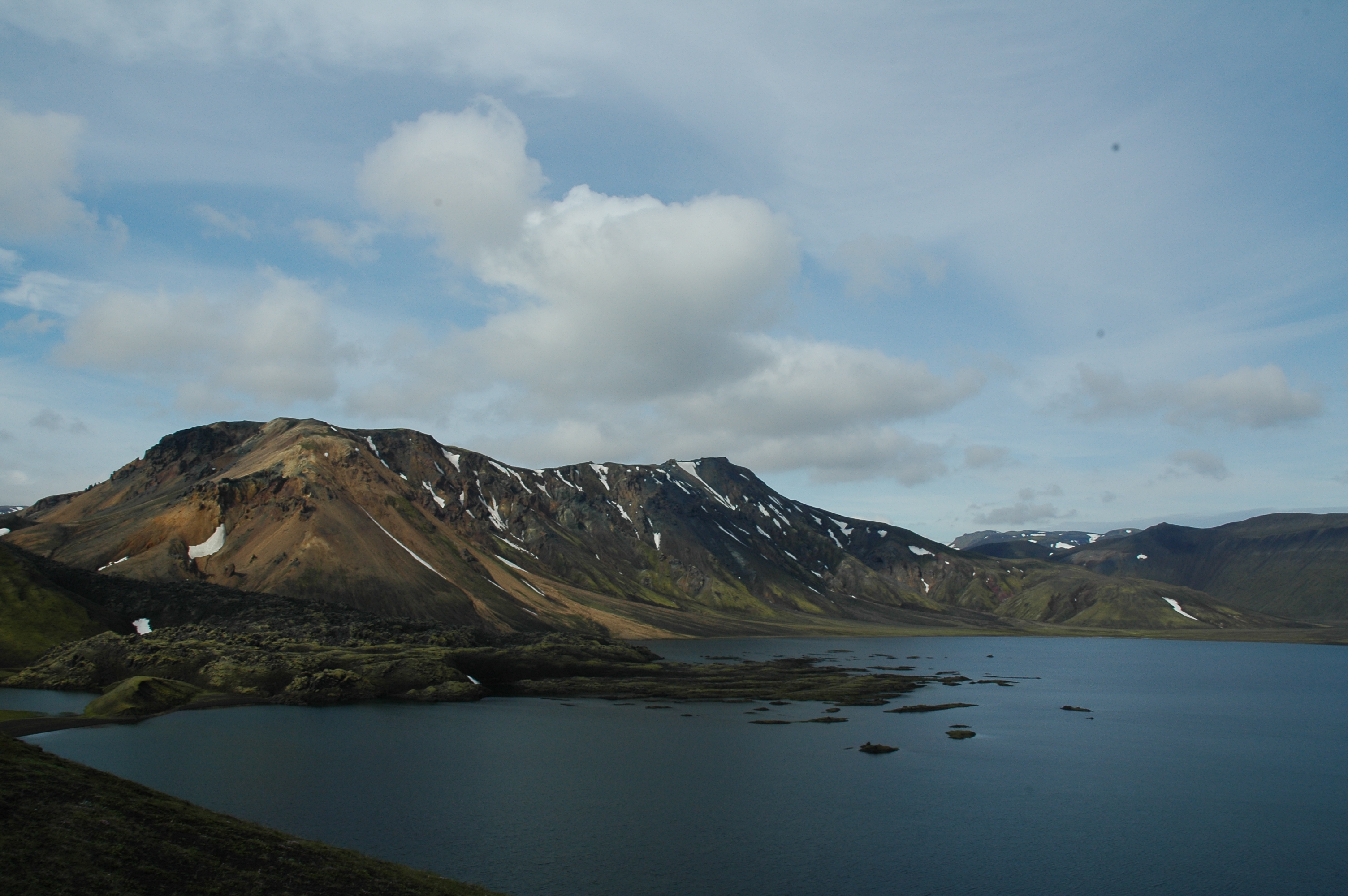
I think knitting is a very Icelandic thing. If you write “Iceland” on Google and browse through the images results, after about 50 pictures of Blue Lagoon and breathtaking natural landscapes, I’m sure you’ll come across a picture of people in Icelandic lopapeysa (wool sweater).

Knitting is so common here, that I see loads of people , be it men or women, old and young do it almost any time, anywhere. They teach knitting at schools, and knitting and sewing clubs are so popular as well.

A friend of mine had to move to Iceland due to her husband’s work, and her husband’s Icelandic company provided knitting lessons for all the expatriates’ wives once they arrive in the country.

It’s almost as if knitting is just a part of life when living in Iceland, and I think it’s rather remarkable. Icelandic people have been knitting for hundreds of years, and they’re still doing it until now. I also think that it’s just a part of being an Icelander. I may be generalising here, but I always imagine Icelandic people are very self-sufficient. For example, my husband is an Icelander, and he cooks, sews, installed the dishwasher, repaired the washing machine, put up fences around our place, and he cooks! (I had to mention this twice, because he is such a good cook!). I mean, back home in Jakarta, my mum would have other people do all those tasks for her (yes, even the cooking part).

But here, since everything is so costly, almost everybody has to be self-sufficient, and knitting is definitely one way to do it. A proper wool sweater here could easily cost from 10,000-20,000 ISK, while if you knit it yourself, the materials couldn’t cost more than 5,000 ISK. A wise person once told me, there are two things you can buy in Iceland which won’t cost you an arm or a leg, and they are lopi (Icelandic wool that itches oh, so good) and entrance to swimming pool.

And as much as I hate to admit it, knitting is actually not that bad or boring. I’m not that much of a knitter, as it usually takes me ages to finish knitting even the smallest piece. But I find the activity relaxing, and fun if you are doing it together with your friends or family members over nice cups of coffee and delicious cakes.

So, grab your needles and yarns, and start living the life, Icelandic style 🙂

Driving in Iceland.

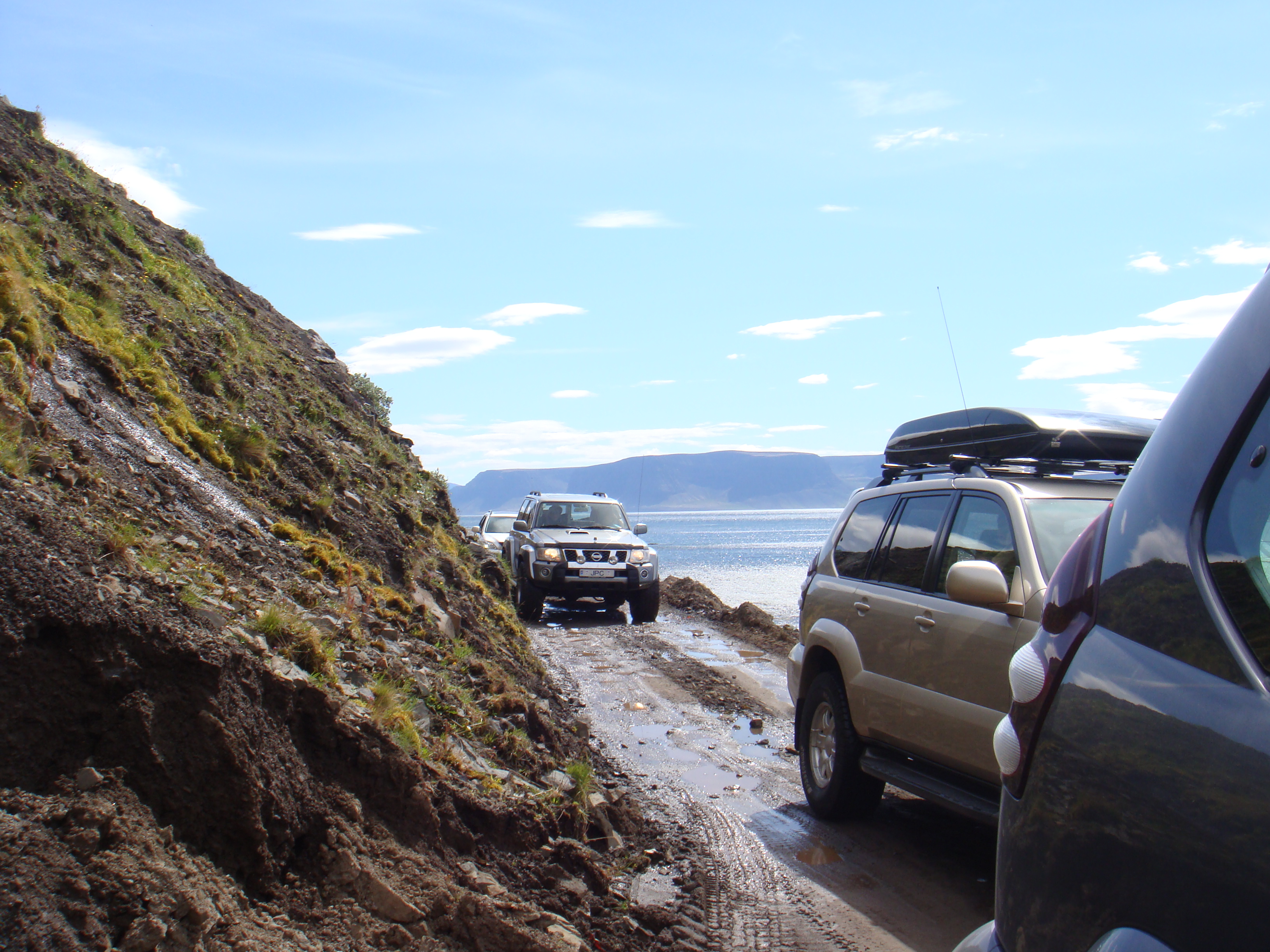
I find the public transports in Iceland not as convenient as how most European countries are. There is a limited number of buses operating daily, with very limited routes. For example, it would take me a whopping 45 minutes bus ride from my house to town centre, which would only take me 10-12 minutes drive.

So, if you are anything like me, you’d opt for getting a car once you arrive in Iceland and drive your way everywhere.

Our Indonesian license is valid for driving in this country for the first six months since our arrival in Iceland. Afterwards, we are required to apply and obtain Icelandic driving license.

Here is the step-by-step instructions on how to apply for the driving license. Simply put, since Indonesia is not part of EU/EEA, we have to take BOTH theoretical and practical test for the driving license. Though the whole process seems to be lengthy and complicated, it really isn’t. The only drawback when I applied for my license was the fact that our Indonesian driving licences only provide information in Indonesian language, which required me to have it translated (bother, bother, bother…) before applying for the Icelandic one. So my advice to you all would be, to have all formal documents (e.g. driving license, birth certificate, etc.) translated to English if they are not already so.

If you happen to be an avid driver but for some reasons do not have your Indonesian driving licenses on hand (e.g. lost, expired, etc.), I’d suggest for you to go and get it straight away before coming to Iceland. Because once you get here, and try to apply for the Icelandic driving license, they won’t allow you to take the tests only (because you need to present your current driving license for that), but you will have to take up a whole driving courses and lessons in order to be qualified for driving tests, and trust me, not only it would be very lame, it would be very expensive as well (I think it can cost more than 100,000 ISK for the whole process, ouch!).

First things first.


First thing I would recommend for people who are moving to or planning to live in Iceland, is to check out this brilliant website that I accidentally found, island.is.

It’s chockfull of useful information for anyone who lives in Iceland, from general info about the country, business and industry, public services, education, housing, immigrations, etc. Basically, pretty much all information about administrative needs for a person to live in Iceland is there, and it’s available in English too!

While for you Indonesians out there who are just about to embark the journey to come here, your first and foremost requirement would be to obtain a visa. The Danish Embassy in Jakarta is responsible for issuing visas and permits to go to Iceland. Their website is very clear on visa/permits requirements and ways to apply.

Allow ample time to sort out the visa/permits before your travel date, as the application process can take a bit of time, depends on types of visa/permits applied and the completeness of documents required. So remember to always provide COMPLETE documents asked by the embassy, or else it will take a whole lot longer time to get your visa/permits issued.

Once you get all the boring administratives stuffs out of the way, next thing I’d recommend would be to enjoy your trip and look forward to coming to (in my personal opinion) one of the most amazing countries in the world. See you in Iceland!